An accredited assessor rates how your home uses and loses energy, so you can see exactly which upgrades will make the biggest difference.
Star rating
Accredited assessor
Home report
Overview
What is a Home Energy Rating assessment?
A home energy assessment looks at how your home uses and loses energy, using the House Energy Rating Scheme (HERS), the framework used across Australia to rate home energy performance. Home Energy Rating has long been used to rate the design of new homes, and has recently been expanded to rate existing homes as well.
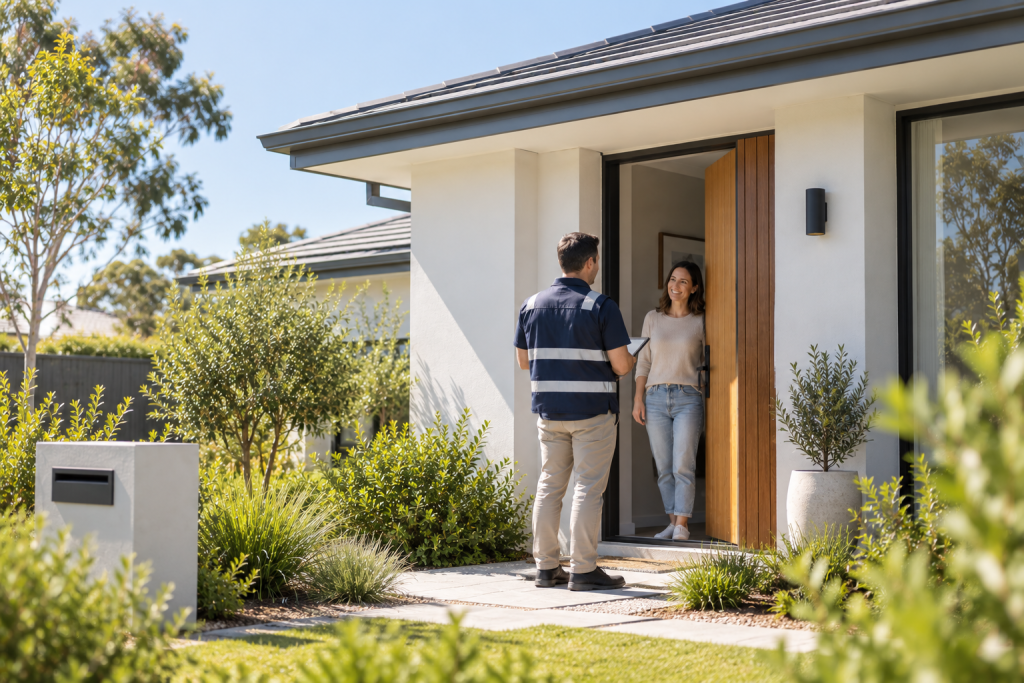
The assessment is carried out by an accredited assessor. It is one of the options available through Home Energy Saver, and it takes the guesswork out of choosing upgrades by showing you which improvements will help your home the most.
Existing home assessments use the same national scheme and star scale as new homes, but are a newer, separate pathway suited to homes that are already built and lived in.
suitability
Is an assessment right for you?
A Home Energy Assessment may suit you if you:
want to know how well your home holds a comfortable temperature
are deciding which upgrades to prioritise
would rather target your home’s actual weak points than guess
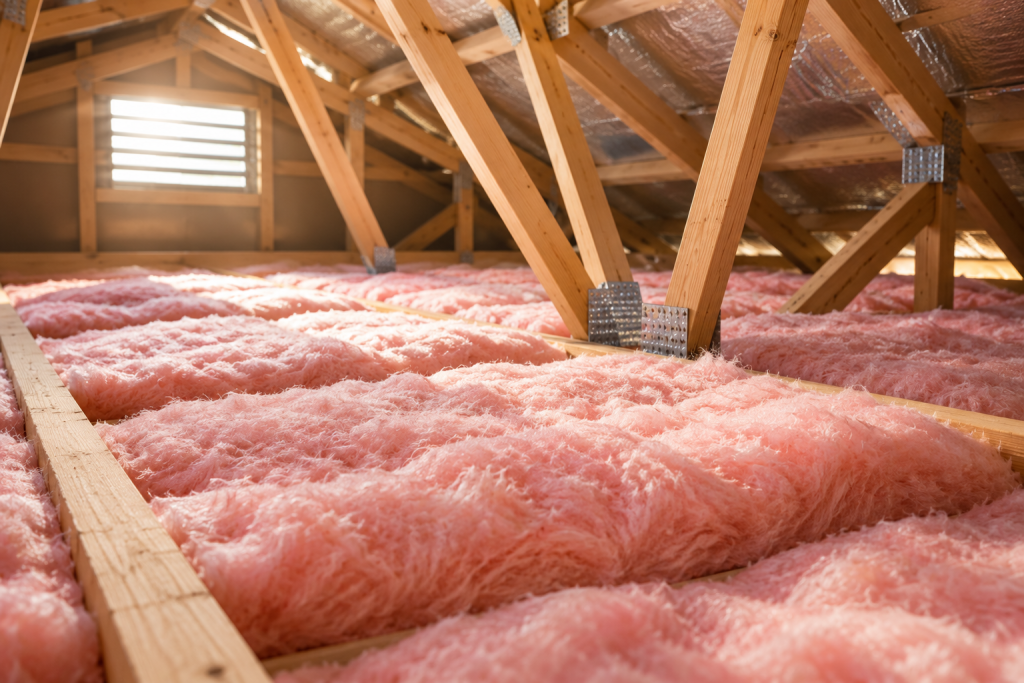
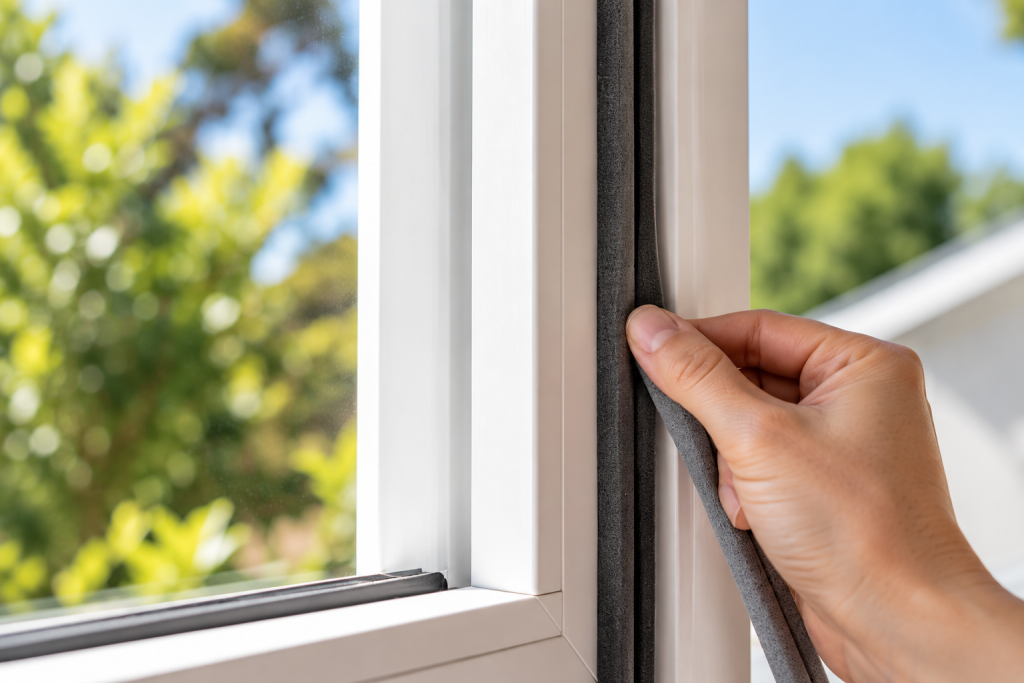
They look at ceiling and wall insulation, draughts, windows and shading, and your fixed heating, cooling and hot water, plus any solar, battery and your local climate.